Featured
Table of Contents
As a result, our item line is currently tailored to the preferences of LLMs AND traditional search algorithms. We provide: Managed SEO campaigns for long-lasting enhancements to online visibility on traditional online search engine and AI search systems. AI Discover for improving AI exposure specifically. Varied link-building campaigns to enhance authority and trust.
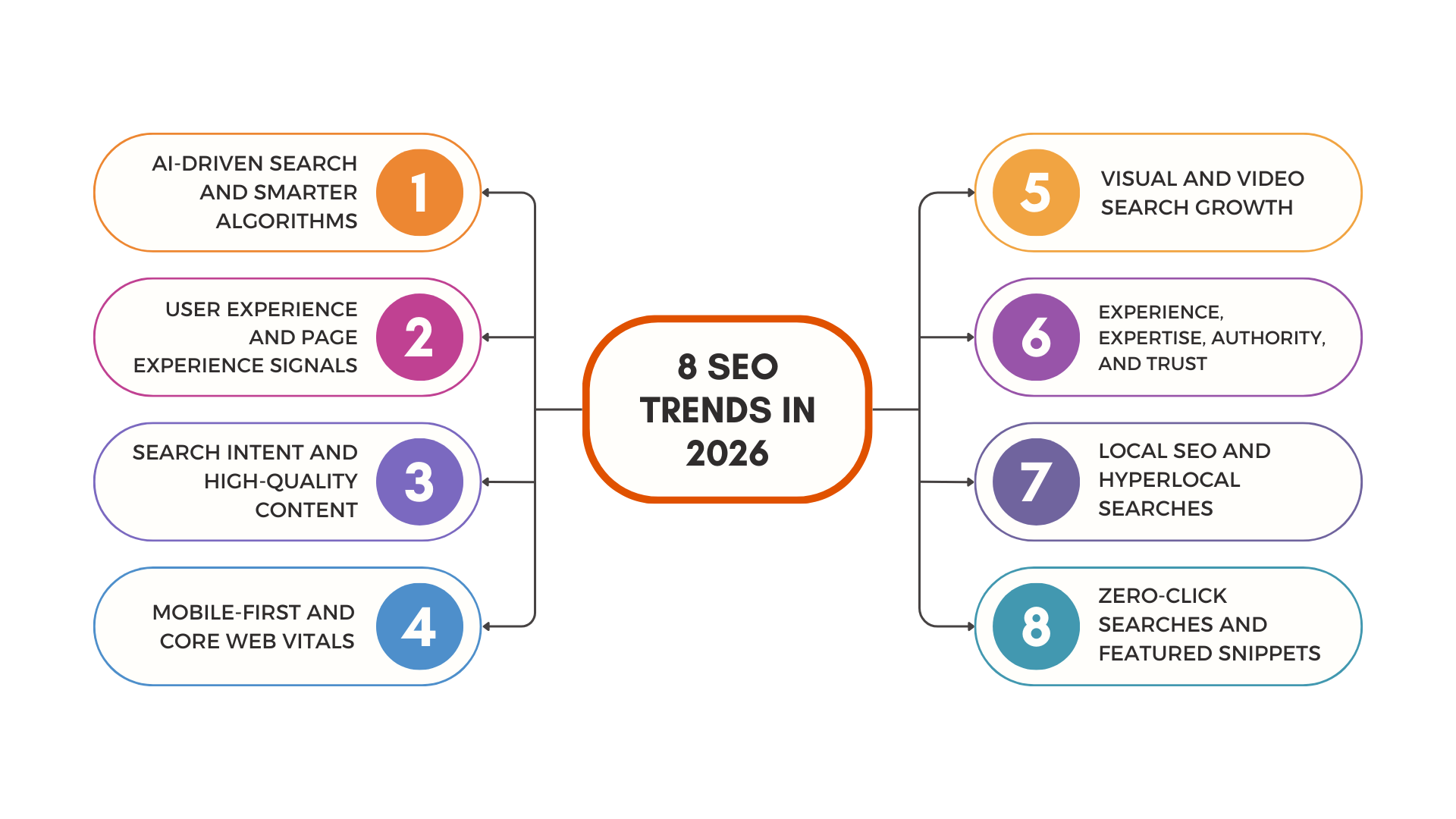
Technical SEO to lay the structure for strong online presence and a great user experience. Regional SEO assistance to enhance entity understanding (guaranteeing brand consistency). Whether you're interested in SEO or GSO (generative search optimization), our team has the know-how and toolset to take you in whichever direction you desire.
AI-powered search features aren't going anywhere anytime quickly, so the finest thing business owners can do is adapt their existing techniques. As we've explained in this short article, there are numerous SEO techniques that stay viable (and even essential) in the AI search era. The secret to success is leaving what works, getting rid of what does not, and including some new finest practices into the mix, like creating 'chunkable' material.

March 2026 brought a significant Google algorithm update that has sparked heated talk across search marketing teams. SEO firms now deal with brand-new tests as rankings shift due to smart modifications in ranking aspects and content review approaches. As you review case studies, market studies reveal over 55% of websites saw a clear hit within two weeks of rollout.
You understand that firms that adapt quick confirm organic traffic patterns turned with sharp updates that speak ideal to these changes. As a result, essential fixes involve knowing the core update timeline while you develop real recovery prepare for lost spots or lower view in SERPs. Before you map methods to bring back outcomes post-update, let's take a look at how site health and Core Web Vitals now play a huge role under the new setup this season.
Dominating Voice-Activated Results
Each Core Web Important, Biggest Contentful Paint (LCP), Interaction to Next Paint (INP), and Cumulative Design Shift (CLS), reveals what you feel on your site. Sites that fill in under three seconds keep 53% more mobile visitors. LCP focuses on how long the largest on-page aspect takes to load.
CLS checks if parts on your page relocation in a way you don't expect and break your read flow. When your tech ratings drop, your traffic and sales can take a hit. In reality, studies reveal a 100ms lag in load time might trigger a 7% drop in sales rates.
Healing steps after a Google algorithm update can assist you recover lost visibility and improve your site traffic. You need to act quick and base each move on brand-new data and trusted pointers. Start with a complete evaluation using Google Analytics 4, Google Search Console, and brand-new exposure information to discover which pages and keywords dropped.
Why Brands Require Smart Search Insights
Evaluation how top rivals altered after the update by utilizing Sistrix and SEMrush trend reports. Update your primary pages for more clear copy and user course cues, given that research studies in Search Engine Journal show trust stats improve rank strength. Lining up with search intent and making the website easy to utilize has ended up being crucial after Google's March 2026 algorithm updates.
The current update prefers material from websites in the very same nation as you. This implies if you serve a global crowd, you might see rank shifts or more ups and downs, and sites focused on local users have seen much better Discover views per lots of industry reports. Addressing what you ask completely is more required than in the past, most of all for health, financing, and legal content.
There are big shifts where desktop and mobile ranks move in opposite ways due to continuous signal tests by Google. This has made site owners inspect and tweak page design and user circulation for both, so you can keep ranks constant amid daily SERP shifts. The March 2026 Google algorithm updates came fast after the push for genuine content and user-first ranking indications.
The March 2026 core update begun presenting over a 19-day window, like the December 2025 schedule for long volatility. Coalition Technologies noted that ranking shifts hit within days, causing clear wins and losses throughout numerous markets. Around day eight, there was a sharper surge of ranking changes, with some sites seeing huge swings in visibility and traffic.
Optimizing Modern AI Content Strategies
Digiday's analysis validated that you got better results from sites with deep responses than generic websites, specifically in news, reviews, and tech resources. E-E-A-T signals have actually ended up being a core focus in Google's March 2026 algorithm upgrade for SEO companies. The update now gives more weight to showing real experience in your content, especially when you target search inquiries where first-hand pointers matter.
There are now more stringent checks to ensure that ability is shown, not just said. As an outcome, the update favors those who have clear evidence, industry praise, and tech accuracy in their material. Authority stands apart, as outdoors evidence like cites and mentions from relied on sources has more pull on page rankings.
We advise that you concentrate on E-E-A-T by getting strong backlinks, clear policy declarations, and competent authorship to reach higher exposure after the current algorithm modification. Updates to Google's algorithm have kept sharpening their focus on real material, making AI-made text a key location for quality checks. With the increase in automobile tools given that March 2024, you can see a clear pattern: new steps now split genuine insight from AI output.
Google's tools now examine sentence construct, context, and true origin signs with far more accuracy. This means dull, bot-like content gets filtered out much more often than previously. The core upgrade adds a new layer that matches stated facts and claims versus understood outlets and news sources. If your AI-made copy wanders from relied on information or solid sources, you can lose rank fast.
Detection systems no longer depend on one scan, but instead examine material at set times after you publish it. These repeat checks help area AI-made patterns that may slip through on very first crawls. As an outcome, it's much harder for template-like or re-worded vehicle material to stay hidden in time.
Using Machine Learning to Enhance Content ReachImproving Organic ROI Using Modern GEO Tactics
The upgrade gave a big increase to websites that show strong author bios and skilled input. As a result, you will do best with content where writers share real stories and knowledge. According to a study by Search Engine Journal, 72% of top-level pages now have actually detailed author qualifications. This indicates you should show authors' skills, previous work, and genuine experience when it fits.
The focus is on human-first content that feels real and personal, not bland or AI-made. If your site develops author trust and provides truthful, helpful ideas, you have a great chance at higher ranks post-update. SEO agencies must adjust quick to Google's March 2026 updates to keep client rankings constant and grow outcomes.
Fast page speed and rich material stay essential to higher search ranks. If you examine analytics often, you will see which pages need updates or which content strikes finest with audiences.

Latest Posts
How Machine Learning Refines Next-Gen Content Workflows
Technical Ranking Methods for 2026 Search Updates
Driving Digital Engagement Through Advanced Interface Styles