Featured
Table of Contents
The enablement strategy's objective is to bridge the space in between prospective and performance, providing a systematic technique to sales quality that resonates with the contemporary buyer's journey. When we state Sales Enablement, we describe the set of tools and procedures that equip your company's sales team with the resources they need to increase their efficiency and close more deals.
I also suggest that your sales enablement method be subject to continuous review and analysis.
The purpose of sales enablement surpasses simply distributing resources; it's a cross-functional effort focused on enhancing sales results. By making the sales cycle smoother and improving buyer interactions with better and more pertinent sales material, sales enablement helps organisations equip their sales groups with the knowledge and tools they need to be more educated and productive sellers.
Transforming B2B Presence through GEO Optimization Systems
Concurring on a set of crucial reports is very important to use these insights. These reports usually track sales activities, product presentations won and lost offers, and leads created or pursued. By producing systems that turn data into an important possession, you can make educated decisions that drive sales success.

This system helps sales teams focus their efforts on the most appealing prospects. Material is another cornerstone of winning sales enablement strategy, and it's not simply for marketers. A comprehensive material audit is crucial to the success of any sales enablement strategy. Sales material that must be investigated and organised includes consumer case studies, whitepapers, ebooks, item demo decks, rates and discount information, and competitive intelligence briefs.
Among the content types, customer case research studies are specifically important as they provide real-world proof of the worth your service or product can deliver. Sales enablement software plays an essential function in handling these products, providing a main area for developing, sharing, modifying, and handling resources. Such software application options not just make information easily available for sales representatives but also enable sales enablement professionals to smooth collaboration in between the marketing and sales teams on the material that's shown prospects and consumers.
These problems may originate from the procedure itself or the execution by the sales group. When prevalent obstacles are evident, it generally indicates a systemic problem within the sales procedure. Alternatively, individualised training or assistance may be needed if just a couple of salesmen encounter problems. Figuring out the origins of these traffic jams is essential, and insights from sales agents can be vital in identifying these critical points.
Embedding Predictive AI Tech within Modern Growth Cycles
With this details, strategies can be established to resolve and reduce these issues, ideally before they intensify into bigger issues. Utilizing sales information is crucial for guiding sales groups towards practical leads and away from less worthwhile ones. Developing clear company goals and determining the essential metrics to accomplish these objectives is necessary.
Graphes of this information can expose patterns and correlations that might otherwise go undetected. A data-centric sales team aligns around common objectives, complies with a defined sales process, and leverages data to direct future actions. Groups often use CRM tools to document all interactions with potential customers and consumers, streamlining tasks where possible.
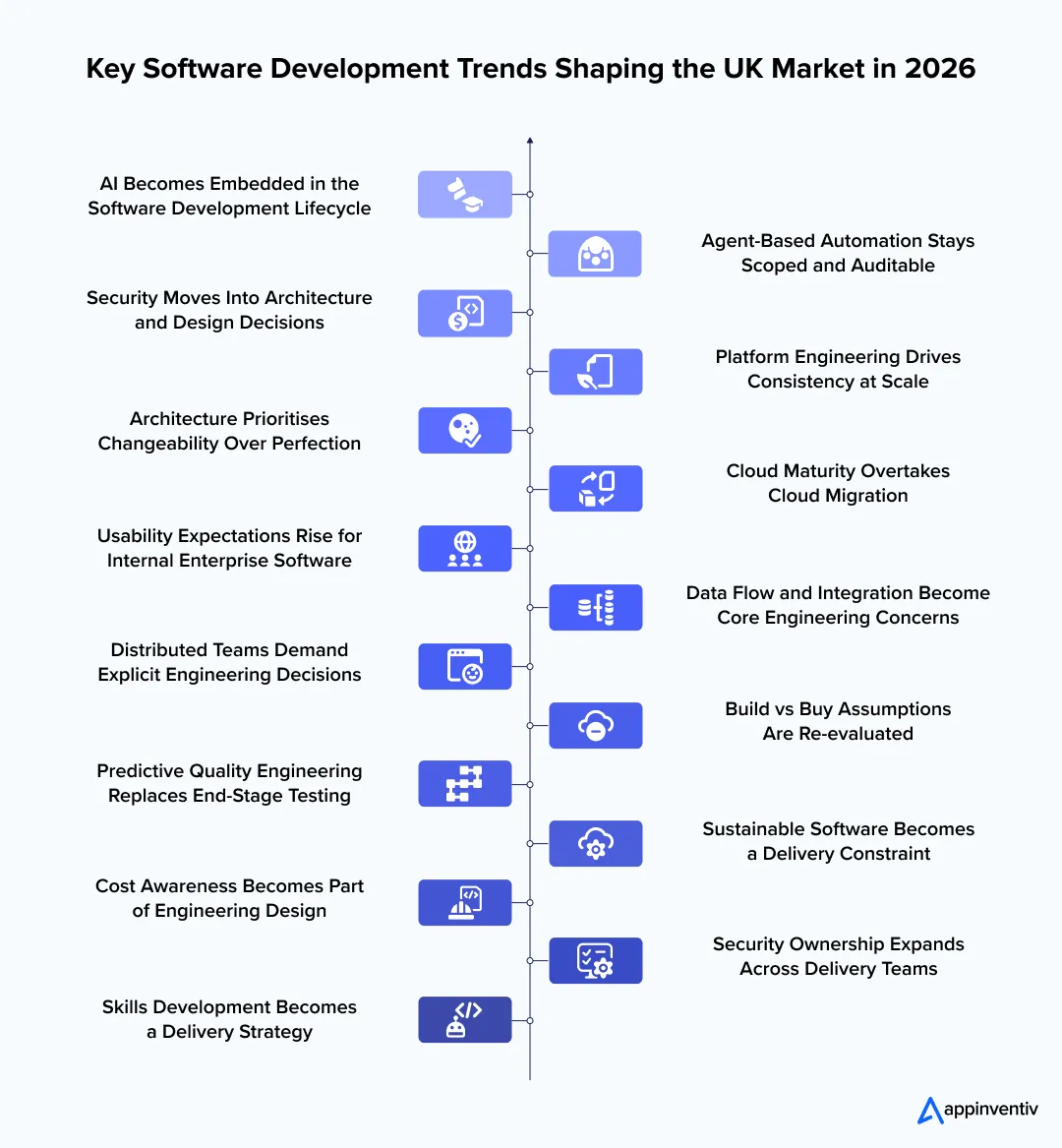
The synergy in between the sales and marketing departments involves cooperation to develop shared objectives and strategies supported by ongoing interaction. This collaboration makes sure that both teams are working towards common targets, such as enhanced conversion rates and higher-quality leads.
How DC Companies Surpass the CompetitorsUtilizing Omnichannel B2B Tech for Global Reach
Both immediate and long-lasting objectives are very important for an effective marketing method. Setting turning point metrics assists keep track of the development of this collaboration. Regular meetings assist keep sales and marketing alignment, guaranteeing constant communication. By exchanging reports and insights, both sales and marketing teams can benefit from each other's experiences and successes.
Cultivating a cohesive marketing group likewise ensures that marketing initiatives efficiently set the phase for sales engagements, resulting in a more seamless purchaser's journey and improved sales results. Starting a sales enablement technique begins with establishing exact objectives and KPIs.
For circumstances, intending to decrease the sales cycle duration by a particular portion within a quarter is more efficient than a vague objective of increasing sales speed. This involves assessing current performance, recognizing locations for enhancement, and untapped opportunities. Participating in discussion with group members about their obstacles and ideas for improvement is necessary.
After determining particular goals, it's necessary to define quantifiable metrics that line up with the company's broader method. These should be ambitious yet attainable, with due dates to preserve focus and a sense of seriousness. Regularly revisiting and changing these goals is important to keep the group aligned and on the course, as is keeping everybody informed about progress.
Sales enablement platforms can act as a center for sales-related content, bridging sales, marketing, and consumer success. Organising this material with tags such as target purchaser personality, use case, and sales funnel stage streamlines finding relevant materials. Sales leaders who utilise these platforms typically exceed their income targets. These platforms assist in a more effective sales cycle by assisting groups recognize and engage with qualified leads.
Preparing the Enterprise for Projected 2026 Economic Shifts
A superior sales enablement tool integrates perfectly with existing CRM systems, is user-friendly, and accommodates the mobile nature of sales specialists. Selecting proper technology and tools is essential for a successful sales enablement technique. The tools need to support a variety of functions, such as engagement, material management, training, and analytics.
It should facilitate the delivery of training materials and analytics within the CRM, offering sales reps with necessary details in one place. The platform must enable sales groups to easily access and utilise the very best material produced by item marketing and content groups, with functions that permit effective organisation and curation of sales-related material.
These programs should be customized to the specific needs and obstacles of the sales force, ensuring they are skilled in item information and sales methods. A standardised training method promotes consistency and guarantees all employee are lined up. Partnership among numerous departments is crucial to producing a comprehensive training curriculum encompassing insights from different organization locations.
Continuous training and performance examination are integral to keeping and improving sales proficiency. Sales enablement functions as a constant improvement mechanism within the sales department, seeking out and executing best practices and developments. Routine analysis of sales metrics and KPIs enables determining areas for improvement and reinforcing effective strategies.

Latest Posts
How Machine Learning Refines Next-Gen Content Workflows
Technical Ranking Methods for 2026 Search Updates
Driving Digital Engagement Through Advanced Interface Styles